四半期ごとに、ほとんどのオペレーターで同じ会議が行われます。アクイジションチームは新規プレイヤー数を報告し、手柄を立てます。前四半期のアクイジションのうち、どれだけがすでに離脱したかは誰も報告しません。ブックサイト向けのプッシュ通知は、そのギャップを埋める最も安価な方法です — ラインが実際に重要になる数分以内にベッターにリーチできる唯一のチャネルであり、2026年以降、最も間違いやすいチャネルでもあります。このプレイブックは、プッシュがベッティング経済にどのように適合するか、プラットフォームの取り締まりがいつ、何をどのように変更したか、そしてすべてを送信することからリテンションエンジンへの90日間の道のりについて説明します。
漏れるバケツ:ブックサイトのリテンションはCACの問題
この業界のアクイジションコストは一方向に動きます。アフィリエイトはCPAまたは収益分配を受け取り、メディアは主要なイベントのたびに価格が吊り上げられ、ウェルカムボーナスは実際の売上原価です。一方、プレイヤーのスイッチングコストはほぼゼロです。次のオペレーターは、より有利なサインアップオファーを検索すればすぐに見つかります。リテンションに失敗したプレイヤーは、しばしば競合他社によって、後で完全なCACで再獲得されます。
プッシュリストも同様に、ほとんど沈黙のうちに漏れています。90日間のウィンドウで、オプトアウトがセグメント全体の新規加入者獲得の約91%を消去しました。アクイジションが称賛したリストはほとんど成長しませんでした。
その衰退の多くは、今や目に見えません。Chromeは、インタラクションのないユーザーに大量の通知を送信するサイトから自動的に通知許可を削除します — オプトアウトクリックもダッシュボードイベントもなく、リストが静かに現実でなくなるだけです。ほとんどのオペレーターが最も頻繁に送信する加入者は、ブラウザが最初に削除する加入者とまったく同じです。
だからこそ、ブックサイトのリテンションはマーケティングの問題である前にCACの問題なのです。プッシュ加入者は、あなたが完全に所有し、ほぼゼロの限界費用で再エンゲージできる唯一の資産です。リストのチャーンを許容することは、損益計算書に決して表示されない最も高価な項目です。
なぜプッシュ通知はブックサイトにメールよりも適しているのか
ベッティングは意図ウィンドウビジネスです。試合前のオッズは約1時間有効です。ハーフタイムのオッズは15分有効です。キャッシュアウトの決定は数秒で有効です。メールは、プレイヤーが次に受信トレイを開いたときに届きます — たぶん明日。Webプッシュは、サイトが開いているかどうかにかかわらず、デバイスに数秒で届きます。インストールするアプリも、アプリストアも邪魔になりません。
オーディエンスもそれに応じて行動します。PushEngage上のベッティングおよびゲーミングサイトは35億件以上の通知を送信しており、そのデータで最も顕著なパターンはイベントへの応答性です。ワールドカップのグループステージの1日だけで、PushEngage上のベッティングサイトは、ベースラインの毎日のサインアップの約4.6倍を記録しました。ビッグフィクスチャーはこのオーディエンスを動かします。その急増をセグメント化されたリストに取り込むオペレーターはそれを保持しますが、それをすべて送信するオペレーターはそれをチャーンさせます。
ネイティブアプリを実行している場合、アプリプッシュは同じセグメントとワークフローから機能します。このプレイブックは、すべてのオペレーターがすでに持っているWebプッシュに焦点を当てています。
2026年の取り締まりにより、ベッティングサイトのプッシュ通知の価格が変更されました
2024年後半から2026年初頭にかけて、Googleはベッティングサイトおよびその他のすべてのサイトのプッシュ通知の価格を変更する一連の変更を coordinated に実施しました。ギャンブルコンテンツを禁止するものは何もありません。すべてが高ボリューム、低エンゲージメントの送信を罰します。これは現在ほとんどの事業者が実行しているパターンです。
| 変更 | 機能 | ライブ منذ |
|---|---|---|
| ChromeプッシュAPIレート制限 | プッシュボリューム対エンゲージメント時間、プロンプト頻度、エンゲージメントの毎日のオリジンスコアリング。「破壊的」なオリジンは、1分あたり1,000プッシュ以下に制限されます(超過分はHTTP 429)。ペナルティは7日間、その後14日間実行され、クリーンな42日後にリセットされます。 | 2026年1月(2026年1月6日発表) |
| 自動的な権限取り消し | Chromeは、エンゲージメントが非常に低くボリュームが高いサイトから通知権限を削除します。インストールされたPWAは免除されます。 | 2025年10月10日発表 |
| セーフティチェック + ワンタップ解除 | 未使用のサイトに対するバックグラウンドでの取り消し。Android通知ドロワーの解除ボタン(対応Pixelでボリュームが約30%減少)。 | 2024年9月 |
| オンデバイスMLスパム警告 | Android版Chromeは、攻撃的な賞品と緊急性のコピーをフラグ付けし、警告と解除に置き換えます。 | 2025年5月8日 |
| Android 16通知クールダウン | 1つのソースからのバーストは徐々に静かになり、最大1分間グループ化されます。デフォルトでオン。 | 2025年6月10日 |
スロットリングだけでも計算してみてください。1分あたり1,000プッシュに制限された「破壊的」なオリジンは、50万人の購読者に配信するために8時間以上かかります。それがキックオフアラートだった場合、試合終了後に到着します。スロットリングはイベント駆動型のユースケースを低下させるのではなく、削除します。Chromeのスコアリングメカニズムは、トリガーされたプッシュ通知に関する詳細な分析で完全に扱われています。主なソースは、ウェブプッシュレート制限と自動的な権限取り消しに関するGoogleの投稿です。
新しいルールがギャンブルプッシュ通知に意味すること
Googleの表現は率直です。すべての通知の1%未満しかインタラクションを受けません。ギャンブルプッシュ通知は、その無視された大多数に不釣り合いに位置しています。なぜなら、この分野のモーダルパターンは、ほとんど休眠状態のリストへの毎日の複数のブロードキャストであり、このプロファイルは現在、テーブルのすべてのペナルティを一度に蓄積しています。
このパターンはChromeを超えて広がっています。GoogleのRCSビジネスメッセージングは、2026年1月に評判ベースのトラフィックティアを追加しました。Appleはチャネルを異なる方法でゲートしています。iOSでのウェブプッシュは、ホーム画面に追加されたサイトでのみ機能します(iOS 16.4、2023年3月以降)。エンゲージメントスコア付きの送信者評判は、現在、すべての主要なメッセージングサーフェスでのルールです。
裏側も同様に重要です。関連する瞬間にエンゲージされたセグメントに送信されるギャンブルプッシュ通知は、まさにスコアリングが報酬を与えるものです。取り締まりはチャネルへの税金ではなく、ブロードキャスト送信者からターゲット送信者への移転です。
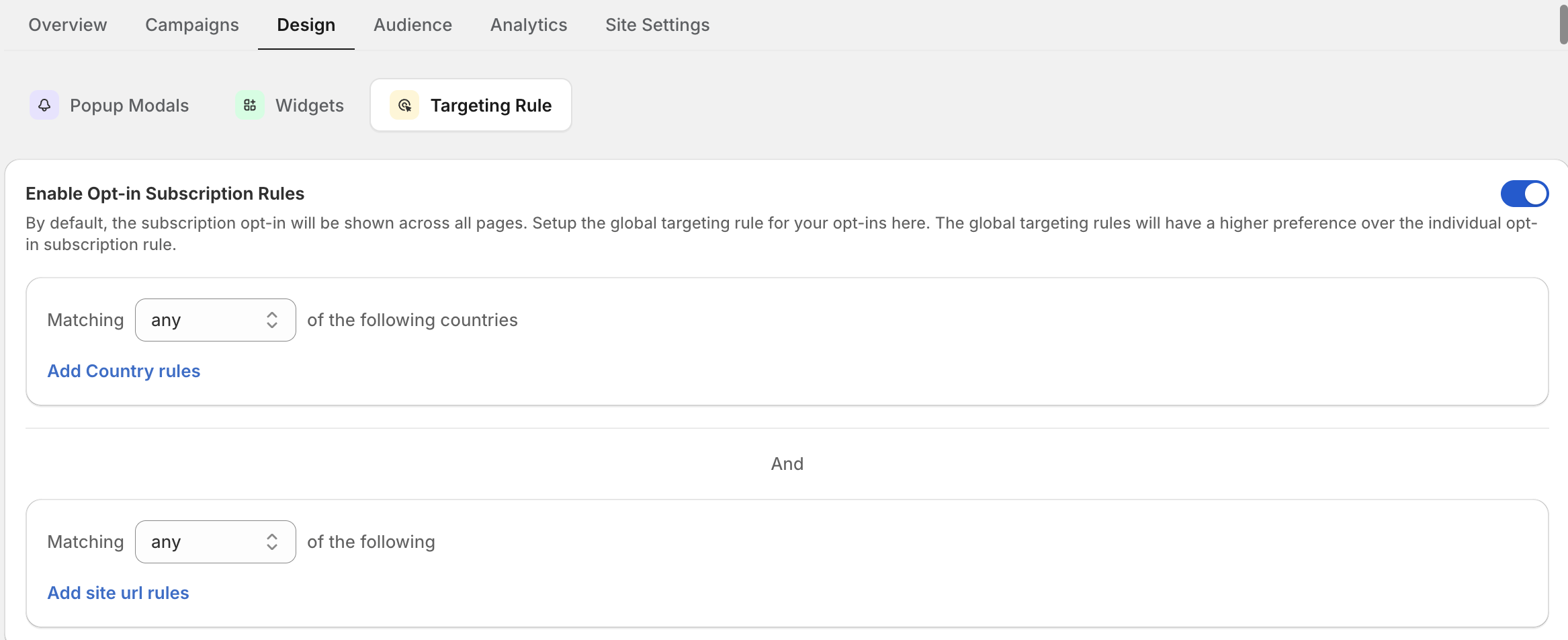
オプトイン戦略:権限を燃やすことなくプッシュ通知のオプトイン率を向上させる
ブラウザの権限は、ほぼ使い捨てのツールのようなものです。ネイティブダイアログで「ブロック」をクリックした訪問者は、実質的に永久に失われます。そして、プロンプトの頻度はサイト滞在時間に対する比率がChromeの採点対象シグナルの一つであるため、不用意なプロンプトはコンバージョン率だけでなく、あなたのオリジンにもダメージを与えます。
ランディング時にプロンプトを表示しない
到着時にネイティブプロンプトを表示するのは、デフォルトの失敗モードです。コンテキストがなく、コンバージョン率は一桁で、ブロックされるたびにサブスクライバーを永久に失います。意図が示されるまで待ってください — ページ滞在15〜30秒、意味のあるスクロール深度、または登録やベット完了などのアクションが完了するまで。
2段階オプトインを使用する
ネイティブダイアログの前に、ブランド化されたソフトアスクを表示します。「キックオフアラートと毎週のボーナス通知をご希望ですか?」という質問に「はい」「いいえ」ボタンを付けます。ネイティブダイアログが表示されるのは「はい」をクリックしたユーザーのみなので、コンバージョン率ははるかに高くなります。また、「いいえ」を選択したユーザーは権限状態を維持し、後で再度尋ねることができます。ソフトアスクは、アラート、ボーナス、結果、スパムなしなど、期待値を正直に設定する場所でもあります。登録した内容を理解しているサブスクライバーはより多くインタラクトします — そしてインタラクションこそが、あなたのオリジンが採点される通貨なのです。

コンテキストに合わせて、意図に基づいて尋ねる
サイト全体での1つのプロンプトは、ターゲットを絞った多数のプロンプトネットワークよりもパフォーマンスが劣ります。スポーツブックページでは試合やオッズのアラートについて、スロットページでは新ゲームのリリースやジャックポットについて、宝くじページでは抽選結果について尋ねます。最も強力なトリガーはクリックです。「キックオフ時に通知する」ボタンをフィクスチャの横に配置すると、ユーザーが何を求めているかを正確に伝えてくれたサブスクライバーを獲得できます — キャプチャの瞬間からセグメント化されます。
プッシュ通知のオプトイン率を、プログラムの中で最もテスト可能な数値として扱ってください。タイミング、コピー、配置はすべてA/Bテスト可能であり、オプトイン率を上げるためのガイドの戦術は直接適用できます。正直な期待値に基づいて構築されたプッシュ通知のオプトイン率は、前払いされた配信可能性です — そのサブスクライバーはクリックし続けます。
セグメントとトリガー:最高のiGamingプッシュ通知はどのように送信されるか
あなたのロードマップを再編成すべき数字があります。中央値のベッティングサイトの送信者は、表示された通知に対して約2.1%のCTRを記録していますが、上位10%は6.9%を記録しています — 約3倍です。同じチャネル、同じ種類のプレイヤーです。上位10%が良い見出しを書いているわけではありません。より少なく、よりターゲットを絞ったメッセージを送信しています — 2026年の採点が報酬を与える正確な行動です。
そこに至るには、ニュースレターではなく、ベッティングビジネスのような形状のモデルが必要です。iGamingプッシュ通知で重要な次元:垂直(スポーツブック、カジノ、ライブカジノ、宝くじ)、フォローしているスポーツとチーム、ベットタイプの好み、デポジットティア、セッションの最近性、VIPティア、ゲームの好み。経験則:送信するには、それをセグメントにし、それに基づいて分岐またはパーソナライズするには、属性にします。プッシュ通知のセグメンテーションは、すべての垂直分野で配信要件となっています — ベッティングは、構築するためのより多くの意図シグナルを持っています。60ではなく、6つのセグメントから始めてください。
最高のiGamingプッシュ通知は、まったくスケジュールされておらず、プレイヤーが直前に行った行動によってトリガーされます。エンジニアリングプロジェクトとしてではなく、ビジュアルワークフロービルダーで構築すべき2つのワークフローがあります。
- 初回入金コンバージョン。登録から入金までのギャップは、有料獲得が失敗する場所です。5日間で3回の丁寧なタッチ(ボーナスが利用可能で、期限切れにならないと表示される)で、入金が行われた瞬間に終了します。
- 中断したところから再開。ベッティングのカート放棄:作成されたが配置されていないベットスリップ、開かれたが完了していないキャッシュ。45分待ってから、ディープリンクされた再開プッシュを1回送信します。放棄された入金ブランチでは、ボーナスもカウントダウンもない中立的なプッシュを1回送信します。放棄された入金は、時には決定であり、その決定は尊重されます。
これら2つのワークフローは、取り締まり保険でもあります。これらは数分または数日前にアクティブだったプレイヤーにのみ送信されるため、すべての送信があなたのオリジンを保護するエンゲージメントプロファイルを強化します。このセクションの下には、さらに多くのことがあります。スポーツブックのマッチデーシーケンス、カジノウィークとそのボーナスのリズム、完全なプレイヤーセグメンテーションモデル。それぞれがピラーポストよりも深く実行されます。これをテリトリーではなくマップとして扱ってください。
メッセージの衛生状態と責任あるギャンブルに関するメッセージ
衛生状態はかつてエチケットでした。2026年1月以降、インフラストラクチャ保護となっています。Chromeはあなたのオリジンをスコアリングするため、1つの悪いキャンペーンパターンですべての送信が悪化します。4つの規律がスコアを健全に保ちます:
- 意図的に頻度を制限する。サブスクライバーあたりの1日および1週間の上限、クールなセグメントの場合は低く設定します。また、同じサブスクライバーへの送信を秒単位ではなく分単位でスペースを空けるか、Android 16のクールダウンが3番目の送信をミュートします。
- プラットフォームでサイレントアワーを強制する。ワークフローごとに「おやすみモード」ウィンドウを設定し、各サブスクライバーのタイムゾーンで解決します。オファーは再スケジュールされ、アラートはスキップされます。
- 休眠中のサブスクライバーを段階的に削除する。ブロードキャストからダウンシフトさせ、短い再エンゲージメントシーケンスを実行し、応答しないものを抑制します。いずれにせよ、それらは目立たずに自動的に取り消されるところでした。オリジンスコアがクリーンになり、アクティブなサブスクライバーに基づいて価格設定されるため、請求額が実際のリストを反映します。
- MLフィルターが無視するコピーを作成する。特定のフィクスチャ、特定の金額、特定の有効期限。すべて大文字の賞品と緊急性のレジスタは、Chromeのオンデバイスモデルがフラグを立てるものです。そして、解約率を低下させるほとんどの戦術は、フィルターを静かに保ちます。
責任あるギャンブルに関するメッセージも同様です。これは、ブラウザではなくプレイヤーに向けられた同じ規律です。法的チェックボックスではなく、商業的な信頼の実践として扱います(そして、ここには法的アドバイスはありません)。今日構築できる4つのコミットメント:
- 自己除外は、迅速かつ強力な抑制です。 API呼び出しにより、自己除外されたプレイヤーは最長48時間以内に抑制セグメントに移動され、すべてのオーディエンスから除外され、終了基準により進行中のワークフローはすべてキャンセルされます。「除外が終了しました」という再アプローチメッセージは絶対に送信しないでください。再参加はプレイヤー自身の行動による必要があります。
- 損失追跡の兆候でのボーナスプッシュはありません。 プラットフォームの追跡フラグを属性としてフィードし、すべてのボーナスワークフローをそれにゲートします。スケジュールされた毎週のキャッシュバックはリズムですが、連敗の数分後にプッシュされるキャッシュバックは別物です。
- 入金プロンプトでの緊急性フレーミングはありません。 カウントダウンは、実際に期限切れになるもの(キックオフ、抽選終了、フリースピンの有効期限など)に属するものであり、入金には決して使用しないでください。人為的な入金プレッシャーも、MLフラグの主要な対象となります。
- ユーザーごとのサイレントアワーとインスタントオプトアウト。 デフォルト設定は睡眠を保護しますが、プレイヤーがそれらを絞り込むことを許可すると、関係が保護されます。
この方針を守るオペレーターは、この業界では珍しいものを手に入れます。それは、プレイヤーが通知をオンにする理由です。責任あるギャンブルのメッセージングは、免責事項ではなくデザインとして行われることで、差別化要因となります。そして、上記のすべてのコミットメントは、2026年のルールが報酬を与えるエンゲージメントプロファイルにも貢献します。
90日間のロードマップ:クロール、ウォーク、ラン
90日間で、オペレーターはブロードキャストのみから、ブラウザと財務チームの両方が報酬を与える送信プロファイルへと移行します。
| フェーズ | 日 | あなたが構築するもの | 終了基準 |
|---|---|---|---|
| クロール | 1〜30 | ページタイプごとに2段階の意図トリガーオプトイン。6つのスターターセグメント(業種、ビッグチーム、セッションの最近性、VIP)。すべてのブロードキャストはセグメントターゲティングに移行します。毎週のオファーアンカー。プルーニングを開始します。 | フルリストへの送信はありません。表示あたりのCTRは中央値2.1%に達します。 |
| ウォーク | 31〜60 | 3つのトリガーワークフロー:初回入金コンバージョン、決済または毎週のキャッシュバックリズム、1つの締め切りまたはイベントシーケンス。API経由で配線されたプラットフォームイベント。ゴール追跡オン。 | 最初のワークフロー起因の収益数が毎週のレポートに表示されます。 |
| ラン | 61〜90 | 業種ごとのライフサイクルカバレッジ。最もボリュームの多い2つの送信のA/Bスプリットパス。すべてのボーナス自動化における責任あるギャンブルゲート。シーズンオーバーレイ:ダービーウィーク、トーナメント、年末抽選。 | プッシュ起因の収益のほとんどは、ブロードキャストではなく、トリガーされた送信から来ています。 |
プラン適合:ワークフロービルダーはFreeを含むすべてのプランに存在します。待機および決定シーケンスにはBusiness以上が必要です。スプリットパスA/BテストとゴールノードにはPremiumが必要です。カスタムイベントトリガーとWebhookにはGrowthが必要です。ロードマップ全体を実行するオペレーターはGrowthティアプロファイルです。
このロードマップの外部にある1つのアーキテクチャ上の質問があります。オペレーターがブランドまたは地域ドメイン(.com、.ca、.mx)のポートフォリオを実行する場合、それらのプロパティ全体およびドメイン移行を通じてサブスクライバーの継続性が必要です。サブスクリプションは、それらをキャプチャしたオリジンにアンカーされるため、どこでキャプチャするかが戦略的な決定となります。これは、それ自体で投稿する価値のあるトピックです。
2026年、ベッティングサイトのプッシュ通知はメガホンではなくなりました。意図に基づいたオプトイン、プレイヤー中心のセグメンテーションモデル、トリガーワークフロー、衛生管理、責任あるギャンブルゲートを備えたリテンションエンジンとして機能することで、このチャネルはすでに獲得に費用をかけたアセットを複利で増やし、ベッティングサイトのリテンションは誰も報告しない数字ではなくなります。
PushEngageは、上記のセグメンテーション、ワークフロー、サイレントアワー、抑制コントロールを備えたウェブプッシュ通知を1つのダッシュボードから実行します。無料プランでこのチャネルを試すことができ、価格はアクティブサブスクライバーに応じてスケールします。これは、あなたの整理規律によって正直に保たれます。すべての有料プランには、14日間の返金保証が付いています。


