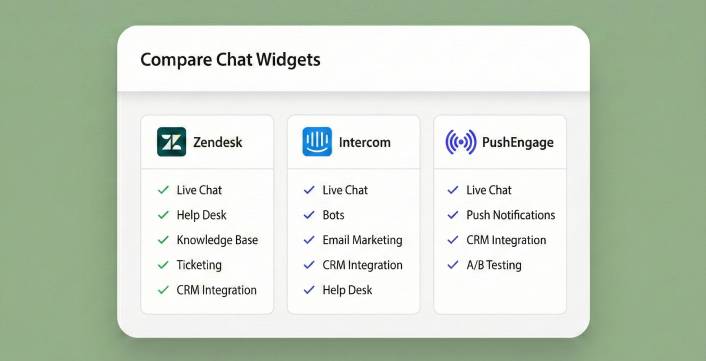
ZendeskとIntercomは、カスタマーサポートソフトウェアの分野で最も有名な2つのサービスです。これらを比較検討しているということは、おそらくチームが成長しており、サポートチケットの量が増加し、エージェント1人あたり月額$50〜$150を賄える予算があるのでしょう。
そして、もしそれがあなたの状況を表しているのであれば、この記事はどちらを選ぶべきかの判断に役立ちます。
しかし、私たちが気づいたのは次の点です。「Zendesk対Intercom」とGoogle検索する人の多くは、20人規模のサポート部門を運営しているわけではありません。彼らは、ウェブサイトで顧客からの質問に答える必要がある1〜5人の小規模ビジネスオーナーです。多くの場合、受信トレイはまったく必要ありません。代わりにWhatsAppでカスタマーサービスを自動化しています。彼らはこれらの比較記事にたどり着き、価格表を見て、そっとタブを閉じます。なぜなら、カスタマーサポートプラットフォームに年間1,000〜5,000ドル以上を費やすことは予算に合わないからです。
もしあなたがそうなら、私たちと一緒にいてください。まず、正直なZendesk対Intercomの内訳をお伝えします。(そして、市場の予算全体を調査したい場合は、これらのWordPress向けの無料ライブチャットウィジェットから始めてください。)次に、年間49ドルで、小規模ビジネスにとって実際に重要なこと、つまり顧客からのメッセージを携帯電話に届けるという1つのことを行うサードオプション、PushEngageを紹介します。
マルチチャネルメッセージを今すぐ送信!
プッシュ通知とWhatsAppメッセージは、リピートトラフィック、エンゲージメント、および売上を自動的に増加させるための非常に効果的で低コストなマーケティングツールです。
これらのシナリオのいずれにも当てはまらない場合は、Intercomの代替製品というより広い分野に、請求額のほんの一部で機能の80%を提供するオプションがあります。
Zendesk vs Intercom:概要
Zendeskは、市場で最も古く、最も確立されたカスタマーサービスプラットフォームの1つです。2007年に設立され、従来のチケットシステムを中心に構築されています。つまり、すべてのお客様とのやり取りが「チケット」となり、ルーティング、優先順位付け、追跡、解決が行われます。Zendeskの強みは構造にあります。SLA管理、マルチチャネルチケットルーティング、レポートダッシュボード、そして1,000以上のアプリとの大規模な統合エコシステムです。これは、数千の中規模および大企業におけるサポート業務の基盤となっています。
Intercomは異なるアプローチを取ります。2011年に設立され、チケットではなくリアルタイムの会話を中心に構築されたカスタマーメッセージングプラットフォームとして始まりました。長年にわたり、Intercomはチケット機能、ヘルプセンター、AI搭載の自動化(Fin AI)を追加してきましたが、そのDNAは依然として会話中心です。製品内で、アプリ内メッセージング、チャットボット、製品ツアー、プロアクティブなアウトリーチを通じてユーザーとエンゲージしたいシナリオで最も強力です。
要するに、 Zendeskはメッセージングを追加したチケットファーストのプラットフォームです。Intercomは、チケット機能を追加したメッセージングファーストのプラットフォームです。(Driftも検討していますか?私たちのIntercom対Driftの比較では、どちらも小規模チームには合わない理由を説明しています。) どちらのアプローチがあなたに適しているかは、顧客がどのように連絡してくるか、そしてチームがどのように作業したいかによって異なります。
Zendesk vs Intercom:機能比較
| 機能 | Zendesk | Intercom |
|---|---|---|
| コアアプローチ | チケットベースのサポート | 会話ベースのメッセージング |
| ライブチャット | ✅(Suiteプラン) | ✅(全プラン) |
| チケットシステム | ✅業界最高水準 | ✅後から追加されたもので、成熟度は低い |
| ナレッジベース/ヘルプセンター | ✅ 組み込み (ガイド) | ✅ 組み込み済み |
| AIチャットボット | AIエージェント(成果報酬型) | Fin AI(解決ごとに0.99ドル) |
| 電話/音声サポート | ✅ 組み込み (トーク) | ✅ アドオン |
| アプリ内メッセージング | 基本 | ✅ コア機能 |
| 製品ツアー | ❌ いいえ | ✅ アドオン(月額99ドル) |
| プロアクティブなアプローチ | 限定的 | ✅ バナー、ツールチップ、アプリ内メッセージ |
| SLA管理 | ✅ 強力 (プロフェッショナル以上) | ✅ (アドバンス以上) |
| レポート/分析 | ✅ 詳細 (探索) | ✅ 良好 |
| インテグレーション | 1,000以上 (マーケットプレイス) | 300以上 (アプリストア) |
| 最適 | 構造化された大量のサポートチーム | プロダクト主導のSaaS、会話型サポート |
Zendeskが優れている点
チケットの深さ。 エスカレーションパス、SLAタイマー、マルチブランドルーティング、CSATアンケートなど、サポート業務がチケットで運用されている場合、Zendeskのシステムはより成熟しており、実績があります。ほぼ20年間、業界標準となっています。
電話サポート。 Zendesk Talkは、通話録音、IVR、コールバックを備えた組み込みの音声サポートを提供します。Intercomは電話をアドオンとして提供していますが、コア機能ではありません。
統合エコシステム。 マーケットプレイスに1,000以上の統合があり、Zendeskはほぼすべてのスタック内のツールと接続できます。Intercomの300以上は堅実ですが、幅広さでは及びません。
構造化されたレポート。 Zendesk Exploreは、より深く、よりカスタマイズ可能な分析を提供します。特に、エージェント、チーム、チャネル全体の詳細なパフォーマンスデータを必要とするエンタープライズチームに役立ちます。
Intercomが優れている点
モダンなメッセージング体験。 Intercomのメッセンジャーは、より自然で会話的です。カスタマーサポートが正式なチケット送信よりもチャットに近い企業にとって、IntercomのUXは優れています。
アプリ内エンゲージメント。 製品ツアー、ツールチップ、バナー、プロアクティブメッセージなど、Intercomは製品内でユーザーとやり取りするためのツールを提供します。苦情を申し立てるときだけではありません。Zendeskはこの分野では競合しません。
AIイノベーション。 IntercomのFin AIエージェントは、ナレッジベースを活用して一般的な質問を解決できます。解決ごとにのみ支払いが発生します。ZendeskのAIオファリングは追いついていますが、歴史的にはIntercomの会話型AIに遅れをとっていました。
オンボーディングとライフサイクルメッセージング。 ユーザーをオンボーディングに誘導し、行動に基づいてメッセージをトリガーし、プロアクティブにチャーンを削減したいSaaS企業にとって、Intercomはこの目的のために特別に構築されました。Zendeskはそうではありませんでした。
Zendesk vs Intercom:実際のコスト
どちらのプラットフォームもシートごとの価格設定とアドオンを使用しており、請求額が大幅に増加する可能性があります。詳しく見ていきましょう。
Zendeskの料金
Zendeskはプランを2つの製品ラインに分割しています:Support(基本的なチケット発行)とSuite(オムニチャネルサポート)。Supportプランは実際の使用には制限が多すぎるため、ほとんどの企業はSuiteを利用しています。
- サポートチーム: $19/エージェント/月 – メールとソーシャルのみ。ライブチャット、電話、AIはありません。非常に限定的です。
- Suite Team: $55/エージェント/月 – ライブチャット、メッセージング、ヘルプセンター、基本AIを追加。
- Suite Professional: $115/エージェント/月 – SLA、CSAT、カスタム分析、スキルベースルーティング。
- Suite Enterprise: $169/エージェント/月 – カスタムロール、サンドボックス、高度なセキュリティ。
基本プランに加え、一般的なアドオンには以下が含まれます:
- 高度なAI: $50/エージェント/月
- 品質保証: $25/エージェント/月
- ワークフォース管理: $25/エージェント/月
- 高度なデータプライバシー: $50/エージェント/月
Suite Teamの3名チームは年間$1,980を支払います。Suite Professionalに高度なAIを追加した場合、それは年間$5,940に跳ね上がります。そしてこれらのコストは、追加するエージェントごとに線形に増加します。
Intercomの料金プラン
Intercomは、シートベースの価格設定に加え、AIおよびメッセージングチャネルの従量課金制を採用しています:
- Essential: $29/シート/月 – 基本的な受信トレイ、チケット発行、ヘルプセンター、メッセンジャー。
- Advanced: $85/シート/月 – ワークフロー、複数の受信トレイ、AIチャットボット、多言語ヘルプセンター。
- Expert: $132/シート/月 – SSO、HIPAA、マルチブランド、SLAルール。
積み重なる追加費用:
- Fin AI: 解決あたり$0.99(月100解決 = 約$1,188/年)
- プロアクティブサポートプラス: $99/月
- SMS、WhatsApp、電話: メッセージ/分あたりの使用料
Essentialの3名チームでFin AIを適度に利用した場合、年間約$2,200–$2,800を支払います。Advancedでは、AIおよびチャネル料金を含め、年間$4,200–$5,500を見込んでください。
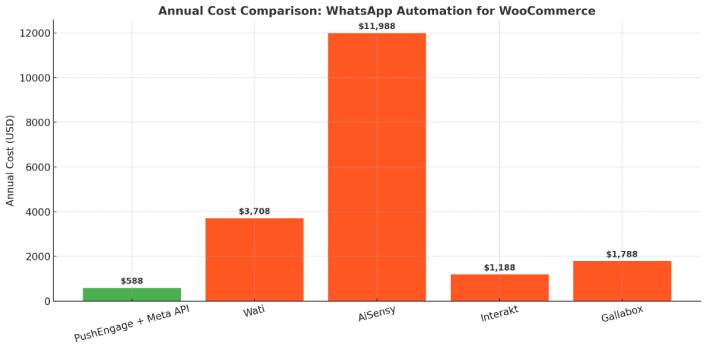
小規模チーム向けの料金比較
| シナリオ(エージェント3名) | Zendesk | Intercom | PushEngage |
|---|---|---|---|
| エントリープラン(年間) | $1,980/年(Suite Team) | $1,044/年(Essential) | 年額$49 |
| +AI/自動化 | +$1,800/年(高度なAI) | +$1,188/年(Fin AI 推定) | $0 |
| +一般的なアドオン | +$900/年(QA) | +$1,188/年(プロアクティブ) | $0 |
| 現実的な年間合計 | $3,500–$5,500+ | $2,200–$4,500+ | $49 |
最後の列はタイプミスではありません。なぜそれが存在するのかを説明しましょう。
サードオプション:PushEngage(年間$49)
ZendeskもIntercomもあなたに尋ねてほしくない質問はこちらです: カスタマーサポートプラットフォームは本当に必要ですか?
エージェントが50人以上、1日に数千件のチケット、SLA要件、専任のサポート部門がある場合は、絶対に必要です。ZendeskとIntercomはその現実のために作られています。ワークフローと予算に合った方を選んでください。
しかし、あなたが数人のスタッフしかいない中小企業で、月間訪問者数が50万人未満、「サポートチーム」があなたともう1、2人の同僚だけの場合?チケットシステムは必要ありません。SLA管理も必要ありません。AI搭載のチケットトリアージも必要ありません。必要なのは、顧客からのメッセージがあなたに届き、返信できることだけです。それだけです。
PushEngageのチャットウィジェットは、まさにそれを、それ以上でもそれ以下でもなく、$49/年で提供します。
PushEngageが異なる点
ZendeskとIntercomはどちらも、ダッシュボード内で作業する必要があります。会話はそれらの受信トレイに保存されます。ログインして、チケットまたはスレッドを管理し、それらのインターフェースから返信します。
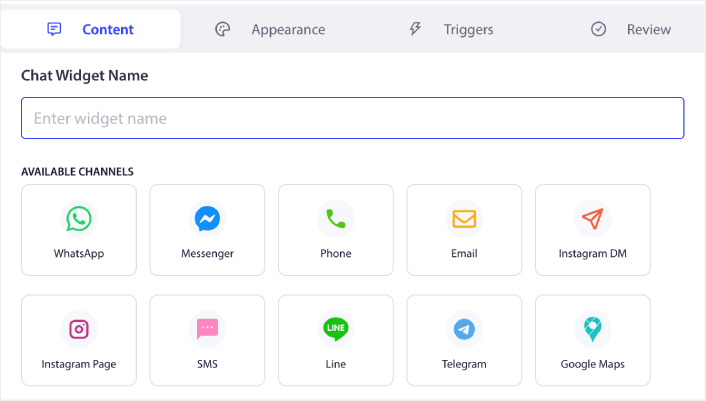
PushEngageは 受信トレイフリーです。 訪問者がチャットウィジェットを通じてメッセージを送信すると、それはあなたがすでに使用しているチャネルに即座にルーティングされます:
- メール – Gmail、Outlook、またはあなたが使用しているもので返信
- WhatsApp – スマートフォンから返信
- SMS – メッセージアプリから返信
- Slack – ワークスペースから返信
- Telegram – アプリから返信
ダッシュボードなし。新しい受信トレイなし。新しいアプリなし。顧客との会話は、あなたがすでに利用しているツールに流れ込み、あなたはすでにいる場所から返信します。
注文の発送とウェブサイトの更新の合間に顧客からの質問に答えるソロの創業者にとって、これは便利な機能ではなく、別のタブを確認するのを忘れて問い合わせを見逃すかどうかの違いです。
PushEngage vs Zendesk vs Intercom:小規模ビジネスが実際に必要とするもの
| 機能 | Zendesk | Intercom | PushEngage |
|---|---|---|---|
| ウェブサイト上のチャットウィジェット | ✅(Suiteプラン) | ✅(全プラン) | ✅ |
| 受信トレイ不要(ダッシュボード不要) | ❌ | ❌ | ✅ |
| メッセージは既存のツールにルーティングされます | ❌ | ❌ | ✅ |
| ユーザーごとの料金なし | ❌ | ❌ | ✅ |
| 使用量またはAI料金なし | ❌ | ❌ | ✅ |
| マルチチャネルルーティング | ✅(有料) | ✅(有料) | ✅(含まれる) |
| マルチエージェントサポート | ✅(シートごと) | ✅(シートごと) | ✅(含まれる) |
| セットアップ時間 | 30分~数時間 | 10~30分 | 5分 |
| 年間コスト(中小企業) | 2,000~5,500ドル以上 | $2,200–$4,500+ | $49 |
PushEngageには、チケットシステム、SLA管理、ナレッジベース、AIチャットボットはありません。それらを試みることもありません。それは1つのことを例外的にうまくやります: どこにいても、顧客からのメッセージを決して見逃さないようにすることです。
Zendeskを選択すべき場合
Zendeskが適している場合:
- メール、チャット、電話、ソーシャルメディア全体で大量のチケットを処理する 専任のサポートチーム(5人以上のエージェント)がいる場合
- SLA、エスカレーションパス、解決追跡を含む 正式なチケットシステムが必要な場合
- エージェントのパフォーマンス、チケットの傾向、顧客満足度に関する 詳細な分析を希望する場合
- 複数のブランドを運営しており、それぞれに個別のヘルプセンターが必要な場合
- 主要なチャネルとして 電話サポートに依存している場合
- 追加料金で 月額55~169ドル/エージェントの予算がある場合
Zendeskは、構造化された高ボリュームのサポートオペレーションのための業界の主力製品です。サポートチームがきめ細かなキュー、ルーティングルール、パフォーマンスダッシュボードを備えた、うまく調整された機械のように運営されている場合、Zendeskはその世界のために作られています。
Intercomを選ぶべき時
Intercomが適している場合:
- あなたは、アプリ内でユーザーエンゲージメントを高めたいSaaSまたはプロダクト主導の企業です
- あなたは、フォーマルなチケット提出ではなく、メッセージングのような会話型サポートを求めています
- あなたは、プロアクティブなエンゲージメント(オンボーディングフロー、プロダクトツアー、アプリ内バナー)を必要としています
- あなたは、AIが一般的な質問を自動解決し、使用量ベースのAI料金を吸収できることを望んでいます
- あなたのサポートスタイルは、チケットファーストではなく、モダンでチャットファーストです
- あなたは、月額$29~$132/シートに加えて、AIおよびチャネル料金を予算計上できます
Intercomは、サポートが単に問題を解決するだけでなく、ユーザーを製品に案内し、チャーンを減らし、エンゲージメントを促進するものである場合に輝きます。顧客コミュニケーションを、一連のチケットではなく継続的な会話と見なす場合、Intercomのアプローチはより自然に感じられるでしょう。
PushEngageを選ぶべき時
PushEngageが適しているのは次のような場合です:
- あなたは、中小企業、個人事業主、または少人数のチーム(1~10人)です
- あなたは、顧客の質問に答え、販売を促進するために、ウェブサイトにチャットウィジェットを必要としています
- あなたは、ログインするための別のダッシュボードを望んでおらず、既存のツールでメッセージを受け取りたいと考えています
- あなたは、シートごとの料金、AI料金、追加料金のサプライズなしの、フラットで予測可能な価格設定を望んでいます
- あなたは、シンプルさを重視します—5分でセットアップ完了、コーディング不要、営業電話不要
- チャットに年間$2,000~$5,500を費やすよりも、年間$49を費やす方が良いでしょう
PushEngageは、Zendeskのチケット発行やIntercomのアプリ内エンゲージメントを置き換えることを装っていません。そもそもそれらのプラットフォームを必要としなかったビジネスにとっては、それらのプラットフォームの*必要性*を完全に置き換えます。
結論:Zendesk vs Intercom vs PushEngage
率直な評価は次のとおりです:
Zendeskは、大規模な構造化されたチケットベースのサポートの定番プラットフォームです。複数のチャネルにわたる大量のトラフィックを正式なワークフローで管理することに優れており、そのレポート機能と電話サポートは業界最高クラスです。トレードオフ:高価で、セットアップが複雑で、継続的な管理が必要です。価格設定は最初は透明に見えますが、エージェントごとの料金と必須のアドオンにより、すぐに高くなります。
Intercomは、モダンで会話中心の代替手段です。サポートとプロアクティブなエンゲージメントを融合させたいSaaS企業やプロダクト主導のビジネスに最適です。そのAIエージェント(Fin)は印象的であり、アプリ内メッセージングツールは比類がありません。トレードオフ:使用量ベースのAI料金により月々の請求額が予測不可能になり、プラットフォームの複雑さは「シンプルなメッセージングツール」の起源から著しく増大しています。
PushEngageは、ZendeskとIntercomの両方で見過ごされがちなビジネス向けです。つまり、小規模店舗、個人事業主、そして顧客が連絡できる必要があるだけの少人数のチームです。チケットシステムはありません。AIエージェントはありません。プロダクトツアーはありません。年間$49でDMにメッセージを送信するだけのチャットウィジェットです。
- サイトでの多言語チャットサポートの設定方法
- WordPressストア向けのページレベルチャットターゲティングの完全ガイド
- チャットウィジェットのカスタムアイコンを追加する方法(そしてなぜそれが重要なのか)
- より多くの人にライブ会話を開始してもらう方法(5つのヒント)
- なぜ受信トレイ不要のチャットウィジェットはより効果的なのか
Intercomは、ソフトウェア予算が5万ドル以上あり、専任のサポートチームを持つ企業にとっては素晴らしい製品です。しかし、顧客からの質問に答え、より多くの販売を成立させようとしている中小企業の場合はどうでしょうか?年間2,000ドルのカスタマーエンゲージメントプラットフォームは必要ありません。携帯電話にメッセージを送信する年間49ドルのチャットウィジェットが必要です。
顧客からの質問を見逃すのをやめる準備はできましたか?


