ما هو تقسيم التجارة الإلكترونية؟
Ecommerce segmentation is the process of dividing your customers, subscribers, or prospects into distinct groups based on shared data points — demographics, purchase behavior, geography, lifecycle stage, or value — and using those groups to send more targeted marketing messages. The goal is relevance. A subscriber who bought running shoes last week and a subscriber who has never purchased behave differently, want different things, and respond to different messages. Treating them identically wastes your message on one and frustrates the other. Segmentation is table-stakes for ecommerce brands competing on retention. CAC keeps climbing, email open rates stay flat, and paid retargeting has squeezed margins. The brands pulling ahead invest in channels they own — web push, app push, WhatsApp — and squeeze more revenue out of existing subscribers by targeting them precisely. The core models for ecommerce segmentation span seven distinct frameworks. Understanding each one helps you choose which signals belong in your targeting stack.الأنواع السبعة لتقسيم التجارة الإلكترونية
1. التقسيم الديموغرافي
Demographic segmentation groups customers by personal attributes: age, gender, income, household composition, or occupation. For ecommerce, age and gender are the most actionable because they map cleanly to product categories and purchasing patterns. A fashion retailer targeting women 25–44 sends different seasonal promotions than one targeting men 18–30. Demographic signals are most useful at the top of the funnel — for product recommendations and offer framing — but rarely tell you enough about purchase intent on their own. For practical demographic segmentation examples in ecommerce, the key is pairing demographics with behavioral data to get precision without relying on a single dimension.2. التقسيم الجغرافي
Geographic segmentation splits your audience by country, region, city, or postal code. For ecommerce, the core use cases are geo-targeted promotions (a US flash sale should not reach UK subscribers who cannot use the pricing), seasonal relevance (summer clearance is irrelevant to subscribers in the Southern Hemisphere), language matching (browser language detection routes Spanish copy to Spanish-language browsers automatically), and regulatory compliance (GDPR and CCPA requirements differ by region). Suppressing irrelevant geographies before sending is one of the fastest unsubscribe-rate fixes available, and it costs you nothing except a few seconds to configure the segment.3. التقسيم السلوكي
Behavioral segmentation is where ecommerce targeting gets sharp. You are grouping subscribers by what they actually do: pages visited, products viewed, cart actions, purchase frequency, time since last click, and notification engagement history. The signals that matter most for push campaigns:- سلوك التصفح: تم عرض صفحة منتج ولكن لم تتم إضافتها إلى سلة التسوق. هذه نية دافئة - تسلسل التخلي عن التصفح يحقق معدلات نقر أعلى بنسبة 312٪ من إرسال جماعي للقائمة بأكملها.
- إشارات سلة التسوق: تمت الإضافة إلى سلة التسوق ولكن لم يتم إتمام الدفع. نية عالية للتخلي، وتسلسل استرداد أعلى عائد استثمار في التجارة الإلكترونية.
- حداثة التفاعل: تم النقر على إشعار آخر في غضون 7 أيام. هذا يفصل المشتركين النشطين عن الخاملين قبل بناء تسلسل إعادة تفاعل.
- سجل الشراء: تم الشراء مرة واحدة (تحويل إلى مشترٍ متكرر)، تم الشراء 5 مرات أو أكثر (معاملة كبار الشخصيات، عرض ولاء).
4. التقسيم النفسي
Psychographic segmentation groups customers by values, interests, lifestyle choices, and motivations. It is harder to collect than behavioral data but powerful for brands where identity is part of the purchase decision. An outdoor gear brand can segment sustainability-minded buyers separately from bargain-hunters who primarily click during sales. In practice, psychographic signals are usually inferred from behavioral data — browse categories, content engagement, price-sensitivity in purchasing patterns — rather than explicit surveys. The patterns in browse history are a reliable proxy for motivation.5. التقسيم التكنولوجي
Technographic segmentation groups customers by the devices and browsers they use. For ecommerce push campaigns, the most actionable dimensions are device type (mobile subscribers scan notifications in short windows; desktop subscribers may be in an active buying session), operating system (iOS vs. Android affects notification rendering and rich media support), and browser platform (Chrome, Safari, and Firefox behave differently for web push delivery). Suppressing mobile subscribers from desktop-optimized landing pages, or sending rich image notifications only to browsers that support them, compounds into meaningfully better campaign metrics over time.6. التقسيم حسب القيمة / RFM
RFM stands for Recency, Frequency, and Monetary value — the three dimensions that define a customer’s relationship with your store. It is arguably the most powerful segmentation framework for retention marketing because it directly reflects purchase behavior and predicted lifetime value.- الحداثة: متى اشترى مؤخرًا؟ يختلف سلوك العميل الذي اشترى قبل 3 أيام عن سلوك العميل الذي اشترى آخر مرة قبل 6 أشهر.
- التكرار: كم مرة يشترون؟ المشترون ذوو التكرار العالي هم ولاؤك؛ يحتاج المشترون لمرة واحدة إلى تسلسل مختلف لكسب عملية الشراء الثانية.
- القيمة النقدية: كم أنفقوا؟ يستحق العملاء ذوو القيمة العالية معاملة كبار الشخصيات، والوصول المبكر، والدعم ذي الأولوية. قد يستجيب العملاء ذوو القيمة المنخفضة ولكن ذوو التكرار العالي بشكل جيد لعروض الحزم التي تزيد من متوسط قيمة الطلب.
7. تقسيم دورة الحياة
Lifecycle segmentation groups customers by where they are in their relationship with your brand. The core lifecycle stages for ecommerce:- مشترك جديد / زائر لأول مرة: قام بالاشتراك للتو. أرسل سلسلة ترحيبية تقدم العلامة التجارية وتحفز الشراء الأول.
- مشتري لأول مرة: أكمل طلبًا واحدًا. الهدف هو الشراء الثاني - التحويل إلى مشترٍ متكرر هو المكان الذي تتضاعف فيه القيمة الدائمة للعميل.
- مشتري متكرر: لقد اشترى عدة مرات. هذه هي مكاسب الاحتفاظ الخاصة بك. عروض الولاء، الوصول المبكر، وتأطير كبار الشخصيات.
- معرض للخطر: لم يتفاعل مع الإشعارات أو يشتري منذ 30+ يومًا. حان الوقت لتسلسل إعادة المشاركة قبل أن ينتهي بهم الأمر تمامًا.
- متوقف: خامد لمدة 60-90+ يومًا. دفعة استعادة مع عرض عالي القيمة أو مطالبة واضحة بإعادة الاشتراك.
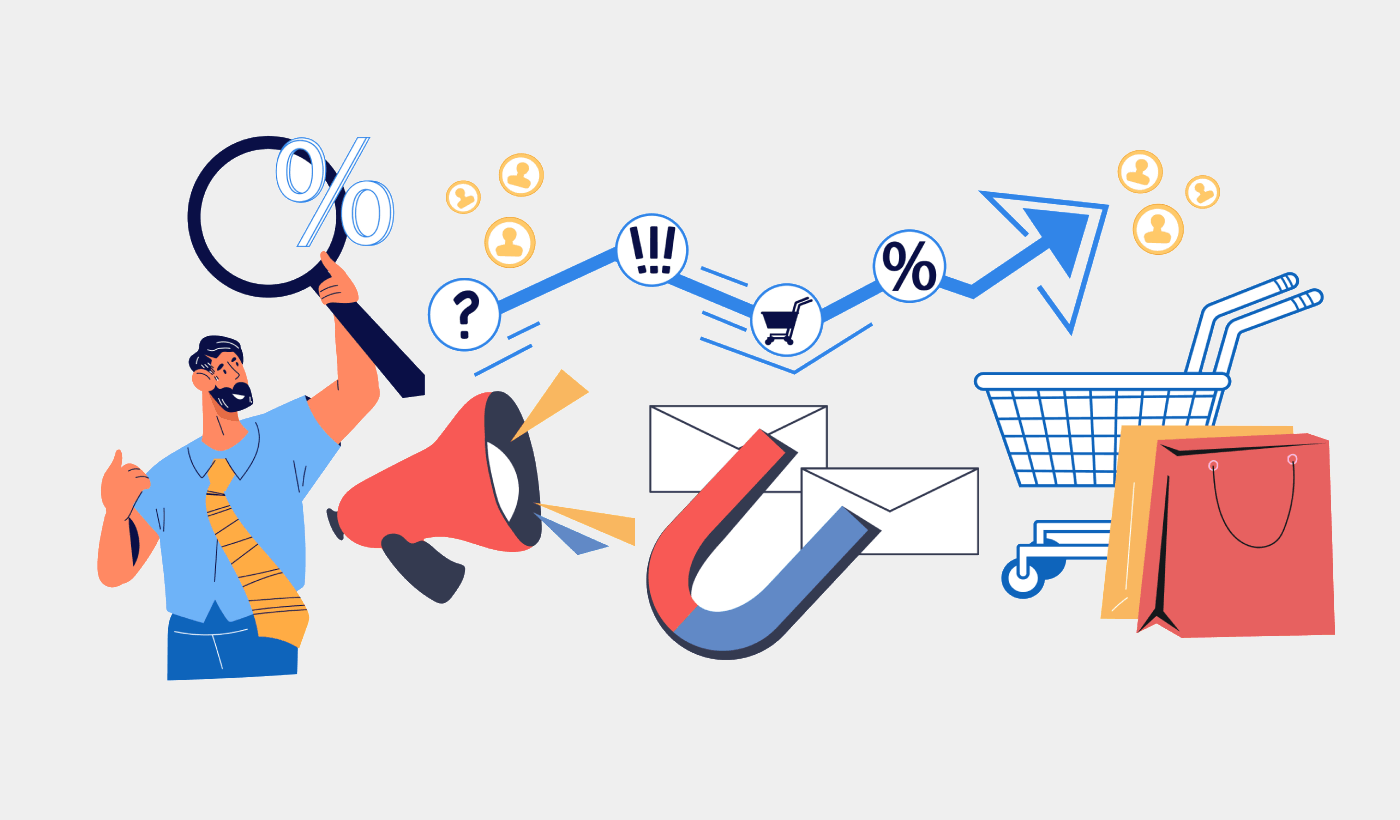
كيفية بناء شرائح التجارة الإلكترونية بدون فريق بيانات
Most ecommerce teams assume serious segmentation requires a data analyst and a dedicated CDP. It does not.الخطوة 1: ابدأ بالإشارات التي لديك بالفعل
Your push platform already knows where each subscriber opted in, what device they are using, where they are in the world, and when they last clicked one of your notifications. These four dimensions alone let you build meaningful segments. A subscriber who opted in from a product detail page on mobile in the US is a materially different audience member than someone who opted in from your homepage on desktop in Germany.الخطوة 2: أضف إشارات سلوكية
Once your ecommerce integration is connected — via a native plugin for Shopify, WooCommerce, or WordPress, or via the API for custom stacks — you can start adding behavioral signals: browse and view events, cart add and abandon signals, and purchase events (category, order value, frequency). These power the high-value segments: cart abandoners, browse abandoners, post-purchase sequences, and value-based cohorts. A detailed breakdown of how ecommerce websites should use segmentation in push notifications covers the mechanics of each connection.الخطوة 3: استخدم الشرائح الديناميكية، وليس القوائم الثابتة
Static lists — “all subscribers from last month” — do not update. A subscriber who purchases, unsubscribes, or changes behavior stays in the static list regardless. Dynamic segments update automatically as subscriber behavior changes. You define the rule; the platform keeps membership current. Zero ongoing maintenance, and cohorts always reflect current state.الخطوة 4: اجمع الشروط في مجموعات الجمهور
The real targeting power comes from combining multiple segment dimensions with AND/OR/NOT logic. “Mobile subscribers in the US who viewed Product X in the last 7 days but have not purchased” is a multi-condition audience group — and it is the kind of cohort that converts at 3–4x the rate of a list-wide blast, because every member of that group has shown the same specific intent signal. PushEngage’s Dynamic Segmentation feature handles this exact use case — define the conditions, save the group, apply it to any campaign or workflow. Business plans include 25 saved audience groups; Premium and above offer unlimited groups.الخطوة 5: تحقق قبل التوسع
Start with one or two segments, run them against your next campaign, and measure lift versus your baseline list-wide CTR. Once you see that product-page opt-ins convert at 2–3x the rate of homepage opt-ins, the case for expanding segmentation depth makes itself.
تفعيل الشرائح عبر قنوات الاحتفاظ المملوكة
Segmentation is only as valuable as the channels you activate it on. The highest-ROI activation happens on channels you own — where you are not paying per message and where delivery reaches subscribers directly, without inbox competition or algorithm interference.إشعارات الويب: أسرع قناة تفعيل
Web push notifications land in seconds. You are not waiting for someone to open their email client. When a cart abandonment segment fires a push 30 minutes after a subscriber leaves without purchasing, you are catching them mid-decision — still in buying mode, still on a device. That timing advantage is what drives web push’s 400% higher open rates than email for equivalent campaigns. Segment activation for web push works at every stage of the funnel:- سلسلة ترحيب المشتركين الجدد (تقسيم دورة الحياة)
- التخلي عن التصفح للاشتراكات في صفحة المنتج (تقسيم سلوكي)
- بيع خاطف للمشترين ذوي التردد العالي في مناطق جغرافية محددة (RFM + جغرافي)
- تسلسل إعادة المشاركة للمشتركين غير النشطين لأكثر من 30 يومًا (دورة الحياة + سلوكي)
إشعارات التطبيق: دقة للمشتركين عبر الهاتف المحمول
Mobile app subscribers represent your highest-intent audience — they installed your app, a stronger commitment signal than a web push opt-in. App push segmentation follows the same framework (behavioral signals, geographic targeting, lifecycle stage), but the context shifts. Mobile subscribers read notifications in brief windows: keep copy shorter, CTAs direct, and deep-link to the exact product or screen the subscriber showed interest in. Technographic segmentation matters here too — iOS and Android subscribers have different notification behaviors and rich media capabilities, so targeting them separately produces measurably better results than treating all mobile users as one group.واتساب: تفاعل عالي للجمهور الدولي وإعادة المشاركة
WhatsApp adds a conversational channel to your segmentation stack with high open rates for segments where it fits. For international audiences, especially in LATAM, Southeast Asia, and the Middle East, WhatsApp often outperforms web push for direct engagement. The best ecommerce uses: order update and shipping sequences (post-purchase lifecycle), win-back campaigns for lapsed segments, and VIP offers for your top RFM tier. WhatsApp is an expansion channel, not a replacement for web or app push. The strongest retention stacks run all three — each segment gets the channel where it is most likely to engage.
أسئلة متكررة
ما هو الفرق بين التقسيم الديموغرافي والسلوكي للتجارة الإلكترونية؟
Demographic segmentation groups customers by who they are (age, gender, location, income). Behavioral segmentation groups them by what they do (pages visited, products viewed, purchases made, notifications clicked). For ecommerce campaigns, behavioral signals are almost always more predictive of purchase intent. Use demographic segmentation for broad audience framing and product-category matching; use behavioral segmentation for precision campaign targeting.كم عدد الشرائح التي يجب أن تديرها متجر التجارة الإلكترونية دفعة واحدة؟
Start with three to five. New subscribers, cart abandoners, and at-risk/lapsed customers cover the most high-value use cases. Add geographic, RFM, and psychographic dimensions as your list and behavioral data grow. A useful rule: every segment should have at least 200 active subscribers to yield reliable performance signals.هل يعمل تقسيم التجارة الإلكترونية لقوائم المشتركين الصغيرة؟
Yes — and it matters more at small scale than most teams expect. With 2,000 subscribers, a list-wide blast that generates unnecessary unsubscribes is proportionally more damaging than on a list of 100,000. Subscription page segmentation and device-type segmentation require no additional data collection and immediately improve precision regardless of list size.كيف يرتبط التقسيم بتتبع الإيرادات؟
Segmentation requires pairing with goal tracking — assign a conversion goal (purchase, session) to each segmented campaign, then attribute revenue to the segment that drove it. Over time, this creates a ranking of your highest-revenue segments, which informs both acquisition strategy (invest in opt-in placements that generate your best subscribers) and campaign prioritization (send most frequently to your highest-converting cohorts).