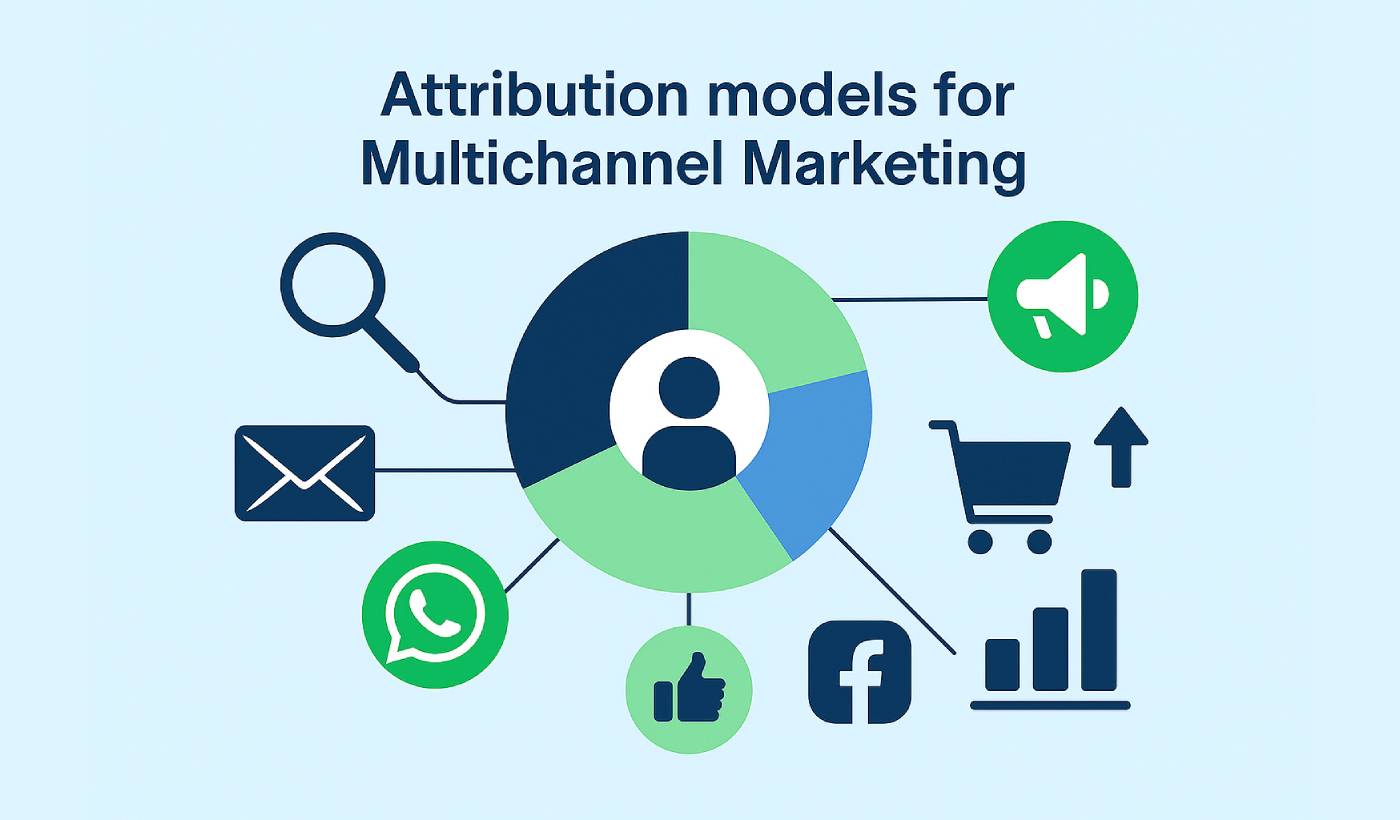
Den attribueringsmodell du väljer kan dramatiskt påverka din förståelse för vilka kanaler som verkligen driver resultat, vilket potentiellt kan leda till betydande förändringar i marknadsföringsstrategi och resursallokering.
Men med många tillgängliga attribueringsmodeller – från enkla modeller med en enda beröring till sofistikerade maskininlärningsalgoritmer – kan det kännas överväldigande att välja rätt modell för dina specifika affärsbehov. Varje modell erbjuder olika perspektiv på kundresan, och det som fungerar perfekt för ett företag kan ge missvisande insikter för ett annat.
Vi kommer att utforska hur multikanalsmarknadsföring genom plattformar som PushEngage passar in i attribueringslandskapet och tillhandahåller värdefull data om beröringspunkter som förbättrar din övergripande förståelse för kundresans effektivitet.
Skicka meddelanden via flera kanaler idag!
Push- och WhatsApp-meddelanden är supereffektiva, billiga marknadsföringsverktyg som hjälper dig att öka din återkommande trafik, engagemang och försäljning automatiskt.
- Förståelse för marknadsföringsattribution
- Attribueringsmodeller med en enda beröring
- Attribueringsmodeller med flera beröringar
- Avancerade attribueringsmodeller
- Att välja rätt attribueringsmodell
- Attribution i olika marknadsföringskanaler
- Bästa praxis för implementering
- Framtiden för marknadsföringsattribution
- Vanliga frågor
- Vad är skillnaden mellan attribuering med en kontakt och med flera kontakter?
- Hur vet jag om mitt företag har tillräckligt med data för datadriven attribuering?
- Hur hjälper PushEngage med spårning av attribuering?
- Vad ska jag göra om mina attribueringsdata visar motstridiga insikter?
- Hur ofta bör jag granska och uppdatera min attribueringsmodell?
- Dina nästa steg
Förståelse för marknadsföringsattribution
Marknadsföringsattribution representerar den analytiska processen för att identifiera och tilldela kredit till de olika marknadsföringsberöringspunkterna som påverkar en kunds beslut att konvertera. I grunden försöker attribution att besvara den grundläggande frågan som har utmanat marknadsförare sedan annonseringens gryning: vilken hälft av min marknadsföringsbudget fungerar, och vilken hälft är bortkastad?
Konceptet attribution har utvecklats avsevärt sedan den digitala marknadsföringens tidiga dagar då de flesta företag förlitade sig på enkel sista-klick-attribution, vilket gav full kredit till den kanal som drev den sista interaktionen före konvertering. Detta tillvägagångssätt fungerade rimligt bra när kundresor var enklare och färre digitala beröringspunkter fanns, men explosionen av marknadsföringskanaler och den ökande sofistikeringen av kundbeteendet har gjort modeller med en enda beröring otillräckliga för de flesta moderna företag.
Dagens kunder interagerar med varumärken över i genomsnitt sex till åtta beröringspunkter innan de fattar ett köpbeslut. Dessa interaktioner kan sträcka sig över veckor eller månader och inkludera en komplex blandning av betald annonsering, organisk sökning, engagemang i sociala medier, e-postmarknadsföring, push-notiser, direkta webbplatsbesök och offline-interaktioner. Varje beröringspunkt spelar en potentiellt viktig roll för att föra kunden närmare konvertering, men traditionella attribueringsmodeller misslyckas ofta med att fånga denna nyanserade verklighet.
Attribueringsmodeller med en enda beröring
Enkelpunktsmodeller för attribuering representerar det enklaste förhållningssättet till marknadsföringsattribuering, där 100 % av konverteringskrediten tilldelas en enda kontaktpunkt i kundresan. Även om dessa modeller saknar den sofistikering som krävs för att fånga den fulla komplexiteten i modernt kundbeteende, är de fortfarande värdefulla för specifika användningsfall och ger viktiga insikter när de används på rätt sätt.
Första-beröringsattribution
Förstapunktsattribuering tilldelar fullständig konverteringskredit till den första kontaktpunkten som introducerade en kund till ditt varumärke. Denna modell bygger på principen att kundanskaffning börjar med medvetenhet, och kanalen som ansvarar för den första interaktionen förtjänar full kredit för eventuella konverteringar, oavsett hur många ytterligare kontaktpunkter som inträffar före köpet.
Den främsta styrkan med förstapunktsattribuering ligger i dess förmåga att identifiera vilka marknadsföringskanaler som utmärker sig när det gäller att skapa initial medvetenhet och attrahera nya potentiella kunder till ditt varumärke. För företag som fokuserar på varumärkesbyggande och kundanskaffning ger förståelsen för vilka kanaler som konsekvent introducerar högkvalitativa potentiella kunder värdefulla insikter för optimering av den övre delen av tratten och planering av medvetenhetskampanjer.
Förstapunktsattribuering lider dock av betydande begränsningar som gör den olämplig som en fristående attribueringsmetod för de flesta moderna företag. Genom att ignorera alla kontaktpunkter efter den första interaktionen, tar denna modell inte hänsyn till den vårdande, utbildande och övertygande process som vanligtvis sker under kundresan.
Sista-beröringsattribution
Sistapunktsattribuering representerar motsatsen till förstapunktsattribuering, där 100 % av konverteringskrediten tilldelas den sista kontaktpunkten innan en kund konverterar. Denna modell antar att den sista interaktionen en kund har med ditt varumärke innan köpet är den mest inflytelserika faktorn i deras beslutsprocess och därför förtjänar full kredit för konverteringen.
Attraktionen med sistapunktsattribuering ligger i dess enkelhet och intuitiva logik – den kontaktpunkt som omedelbart föregår konverteringen verkar vara den direkta orsaken till köpbeslutet. För företag med korta säljcykler och okomplicerade kundresor kan sistapunktsattribuering ge tydliga insikter om vilka kanaler och kampanjer som är mest effektiva för att slutföra försäljningar och driva omedelbara konverteringar.
Sistapunktsattribuering lider dock av den grundläggande bristen att helt ignorera den kundresa som leder fram till den sista konverteringskontaktpunkten. En kund kan interagera med ditt varumärke genom flera kontaktpunkter för medvetenhet och övervägande under flera veckor innan de slutligen konverterar genom ett direkt webbplatsbesök – sistapunktsattribuering skulle ge det direkta besöket full kredit samtidigt som alla marknadsföringsinsatser som byggde medvetenhet och intresse under resan ignoreras.
Attribueringsmodeller med flera beröringar
Modeller för multi-touch-attribuering erkänner verkligheten att moderna kundresor involverar flera kontaktpunkter, var och en potentiellt bidragande till det slutliga konverteringsbeslutet. Dessa modeller fördelar konverteringskrediten över flera interaktioner snarare än att tilldela all kredit till en enda kontaktpunkt, vilket ger en mer nyanserad förståelse för hur olika marknadsföringskanaler samverkar för att driva resultat.

Linjär Attribution
Linjär attribuering representerar det mest okomplicerade tillvägagångssättet för multi-touch-attribuering, där konverteringskrediten fördelas jämnt över alla kontaktpunkter i kundresan. Om en kund interagerar med ditt varumärke genom fem olika kontaktpunkter innan konvertering, får varje kontaktpunkt 20 % av konverteringskrediten, oavsett när interaktionen inträffade eller vilken typ av engagemang den representerade.
Den primära fördelen med linjär attribuering ligger i dess demokratiska tillvägagångssätt för att kreditera marknadsföringskontaktpunkter. Denna modell erkänner att varje interaktion potentiellt bidrar till kundens slutliga beslut att konvertera, vilket säkerställer att ingen kontaktpunkt helt ignoreras i attributionsanalysen.
Tidsförfall Attribution
Tidsbaserad attribuering (time-decay attribution) fungerar enligt principen att kontaktpunkter som inträffar närmare konverteringshändelsen är mer inflytelserika i kundens slutliga köpbeslut än de som inträffar tidigare i resan. Denna modell tilldelar ökande mängder konverteringskredit till kontaktpunkter när de närmar sig konverteringshändelsen, där de senaste interaktionerna får högst kredit och tidigare kontaktpunkter får progressivt mindre kredit.
Logiken bakom tidsbaserad attribuering återspeglar vanliga mönster i mänskligt beslutsfattande, där ny information och erfarenheter ofta väger tyngre än äldre. I marknadsföringssammanhang översätts detta till antagandet att kontaktpunkter som inträffar närmare köpbeslutet är mer sannolika att vara de avgörande faktorerna som driver kunder från övervägande till konvertering.
Positionsbaserad (U-formad) attribution
Positionsbaserad attribuering, allmänt känd som U-formad attribuering på grund av sitt kredittilldelningsmönster, representerar en kompromiss mellan single-touch- och multi-touch-metoder med lika vikt. Denna modell tilldelar den högsta krediten till den första och sista kontaktpunkten i kundresan – vanligtvis 40 % vardera – samtidigt som de återstående 20 % fördelas jämnt mellan alla mellanliggande kontaktpunkter.
Den U-formade metoden återspeglar den vanliga marknadsföringsvisdomen att kundanskaffning börjar med medvetenhet och slutar med konvertering, vilket gör både den första och sista kontaktpunkten särskilt viktiga i den övergripande resan. Genom att ge betydande kredit till båda ändarna av kundresan, samtidigt som man fortfarande erkänner mellanliggande kontaktpunkter, försöker denna modell balansera insikterna från first-touch- och last-touch-attribuering, samtidigt som man erkänner den multi-touch-verklighet som modern kundbeteende innebär.
Avancerade attribueringsmodeller
Datadriven Attribution
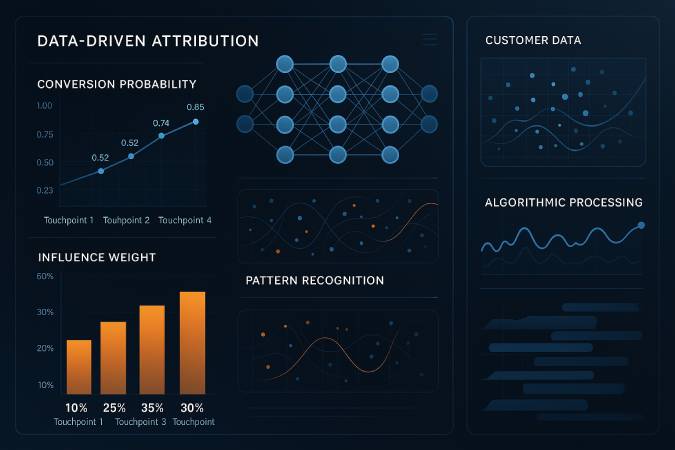
Datadriven attribuering representerar det mest sofistikerade tillvägagångssättet för marknadsföringsattribuering, med hjälp av maskininlärningsalgoritmer för att analysera faktiska kundbeteendemönster och tilldela konverteringskredit baserat på statistisk analys av hur olika beröringspunkter påverkar konverteringssannolikheten. Istället för att förlita sig på förutbestämda regler eller antaganden om kundbeteende, undersöker datadrivna modeller historiska data för att identifiera vilka kombinationer och sekvenser av beröringspunkter som är starkast korrelerade med konverteringar.
Den grundläggande fördelen med datadriven attribuering ligger i dess förmåga att upptäcka faktiska påverkansmönster snarare än att anta dem. Traditionella regelbaserade attributionsmodeller gör antaganden om kundbeteende – som idén att de senaste beröringspunkterna är mer inflytelserika eller att första och sista beröringspunkterna förtjänar mest kredit – men datadrivna modeller låter data avslöja de verkliga påverkansmönstren inom din specifika kundbas.
Google Analytics 4 och Google Ads har gjort datadriven attribuering till sitt standardtillvägagångssätt, vilket återspeglar branschens erkännande av att algoritmiska modeller vanligtvis ger mer exakta insikter än regelbaserade alternativ. Dessa plattformar analyserar miljontals kundresor för att identifiera mönster som skulle vara omöjliga för människor att upptäcka manuellt.
Att välja rätt attribueringsmodell
Att välja lämplig attributionsmodell för din verksamhet kräver noggrant övervägande av flera faktorer som påverkar både noggrannheten i attributionsinsikter och deras praktiska nytta för marknadsföringsorientering. Rätt val beror på dina specifika affärsegenskaper, kundbeteendemönster, marknadsföringsstrategi och organisatoriska förmågor.
Företagskaraktäristika och överväganden kring försäljningscykeln
Längden och komplexiteten i din försäljningscykel representerar en av de viktigaste faktorerna vid val av attributionsmodell. Företag med korta försäljningscykler – vanligtvis mätta i timmar eller dagar – finner ofta att enklare attributionsmodeller ger tillräckliga insikter för optimeringsbeslut. När kunder upptäcker ditt varumärke och konverterar snabbt, är antalet beröringspunkter naturligt begränsat, vilket gör modeller med enstaka eller enkla flertalet beröringspunkter till rimliga approximationer av faktiska påverkansmönster.
Omvänt kräver företag med utökade försäljningscykler mer sofistikerade attributionsmetoder som kan redogöra för de många beröringspunkter som inträffar under veckor eller månader. B2B-företag som säljer företagsprogramvara, utbildningsinstitutioner som rekryterar studenter och företag som erbjuder högkvalitativa tjänster ser ofta kundresor som sträcker sig över flera månader och inkluderar dussintals beröringspunkter över olika kanaler.
Kundrese-mönster och analys av beröringspunkter
Att förstå dina typiska kundrese-mönster ger avgörande insikter för val av attributionsmodell. Företag bör analysera sina kunddata för att identifiera vanliga reseegenskaper som genomsnittligt antal beröringspunkter, typisk tid mellan första interaktion och konvertering, och de vanligaste kanalsekvenserna som leder till konverteringar.
Vissa företag upptäcker att deras kunder följer relativt förutsägbara kundresor, som att upptäcka varumärket genom innehållsmarknadsföring, engagera sig i e-postuppföljningskampanjer och konvertera genom direkta webbplatsbesök. I dessa fall kan positionsbaserad attribuering ge rimliga insikter genom att ge lämplig kredit till medvetenhets- och konverteringsberöringspunkter, samtidigt som man erkänner uppföljningsaktiviteterna däremellan.
Attribution i olika marknadsföringskanaler
Att förstå hur attribuering fungerar inom specifika marknadsföringskanaler hjälper till att optimera både individuell kanals prestanda och samordning mellan kanaler. Varje marknadsföringskanal presenterar unika attribueringsutmaningar och möjligheter som kräver skräddarsydda metoder för noggrann mätning och optimering.
Push-notifikationsattribution med PushEngage
Push-notiser representerar en unik attribueringsmöjlighet på grund av deras omedelbara leverans, höga synlighet och direkta koppling till specifika kundåtgärder. PushEngage erbjuder omfattande attribueringsspårning som hjälper företag att förstå hur push-notiser bidrar till konverteringar, både som fristående kontaktpunkter och som en del av bredare kundresor i flera kanaler.
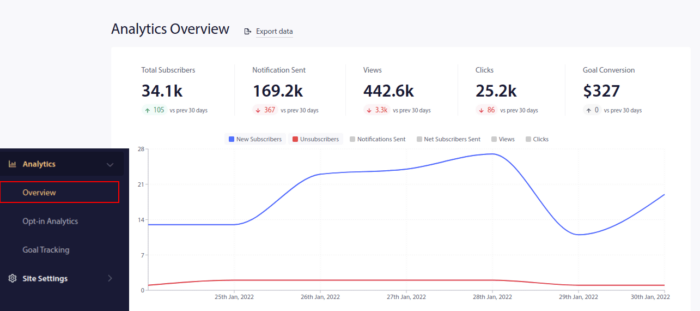
Push-notisattribuering genom PushEngage spårar inte bara direkta konverteringar från klick på push-notiser utan också den bredare påverkan av push-notiser på kundbeteende och köpintention. Detta inkluderar mätning av hur push-notiser driver webbplatsbesök, e-postregistreringar, engagemang i sociala medier och andra värdefulla kundåtgärder som bidrar till slutliga konverteringar.
Tidpunkten och kontexten för push-notiser gör dem till särskilt kraftfulla attribueringsberöringspunkter. Till skillnad från e-post eller sociala medier visas push-notiser omedelbart på kundens enheter och kan levereras vid optimala tidpunkter baserat på kundbeteende och preferenser. PushEngages attribueringsspårning fångar denna tidsfördel och hjälper företag att förstå hur strategisk leverans av push-notiser påverkar sannolikheten för konvertering.
Segmentering och personaliseringsfunktioner inom PushEngage möjliggör sofistikerad attribueringsanalys som mäter den inkrementella effekten av riktade meddelanden. Företag kan jämföra attribueringsprestandan för generiska push-notiser med personliga meddelanden baserat på kundbeteende, köphistorik och engagemangsmönster.
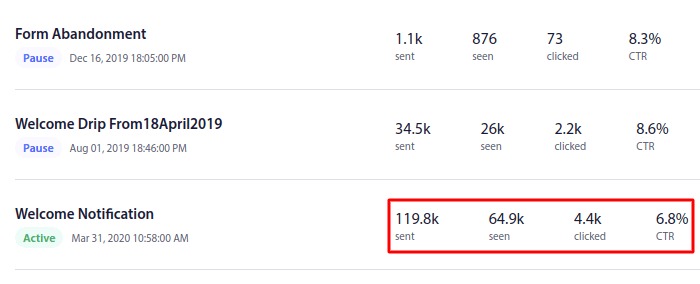
Integration mellan PushEngage och andra marknadsplattformar ger omfattande attribueringsinsikter som visar hur push-notiser fungerar i kombination med e-postmarknadsföring, sociala medier, betald annonsering och andra kanaler. Denna integration gör det möjligt för företag att optimera sina strategier för flera kanaler och förstå den unika roll som push-notiser spelar i deras övergripande marknadsmix.
De höga engagemangsnivåerna som är typiska för push-notiser – ofta med öppningsgrader som överstiger 90 % – gör dem till värdefulla attribueringsberöringspunkter som avsevärt kan påverka analysen av kundresan. När kunder konsekvent interagerar med push-notiser ger dessa interaktioner starka signaler om kundintresse och köpavsikt som förbättrar den övergripande attribueringsnoggrannheten.
Bästa praxis för implementering
Framgångsrik implementering av marknadsattribuerings kräver noggrann planering, systematisk genomförande och kontinuerlig optimering. De tekniska och organisatoriska utmaningarna med attribueringsimplementering avgör ofta om företag inser det fulla värdet av sina valda attribueringsmodeller.
Tekniska krav för implementering
Effektiv attribueringsimplementering börjar med omfattande datainsamling över alla marknadsföringspunkter. Detta kräver implementering av konsekventa spårningsmekanismer som kan identifiera och koppla kundinteraktioner över olika kanaler, enheter och tidsperioder. Grunden för korrekt attribuerings ligger i kvaliteten och fullständigheten av den underliggande datan.
Modern attribueringsimplementering innebär vanligtvis att man driftsätter spårningspixlar, implementerar UTM-parametrar konsekvent över alla kampanjer, ställer in konverteringsspårning för alla viktiga affärsresultat och säkerställer att kundidentifierare kan matchas över olika beröringspunkter. Denna tekniska grund måste etableras innan någon attribueringsmodell kan ge korrekta insikter.
Hantering av datakvalitet och konsekvens
Attribueringsnoggrannhet beror starkt på datakvalitet och konsekvens över alla beröringspunkter. Inkonsekventa spårningsimplementeringar, saknad data och attribueringsluckor kan skapa missvisande insikter som leder till dåliga marknadsföringsbeslut.
Att etablera processer för datastyrning säkerställer att alla marknadsföringsaktiviteter spåras konsekvent och att problem med datakvalitet identifieras och löses snabbt. Detta inkluderar implementering av standardiserade namngivningskonventioner för kampanjer och kanaler, regelbundna granskningar av spårningsimplementeringar och systematiska processer för att hantera datadiskrepanser.
Framtiden för marknadsföringsattribution
Landskapet för marknadsattribuerings fortsätter att utvecklas snabbt som svar på integritetsregleringar, tekniska framsteg och förändrade kundbeteendemönster. Att förstå dessa trender hjälper företag att förbereda sig för framtiden för attribuerings och fatta strategiska beslut om sina mätmetoder.
Integritetsfokuserade attribueringsstrategier
Övergången mot integritetsfokuserad marknadsföring har fundamentalt förändrat hur företag närmar sig attribueringsspårning och analys. Traditionella metoder som förlitade sig starkt på tredjepartscookies och spårning mellan webbplatser blir allt mindre tillförlitliga, vilket tvingar företag att utveckla nya metoder som respekterar kundens integritet samtidigt som mätnoggrannheten bibehålls.
Strategier för förstapartsdata blir allt viktigare eftersom företag behöver samla in attribueringsdata direkt från kundinteraktioner istället för att förlita sig på tredjepartsspårningsnätverk. Detta inkluderar implementering av inloggningssystem för kunder, uppmuntran till e-postregistreringar och skapande av värdeutbyten som motiverar kunder att frivilligt dela identifierande information.
Artificiell intelligens och maskininlärning
Avancerade AI- och maskininlärningstekniker omformar attribueringsanalysen genom att möjliggöra mer sofistikerad mönsterigenkänning och prediktiva förmågor än traditionella regelbaserade modeller. Dessa tekniker kan identifiera komplexa samband mellan marknadsföringspunkter och kundbeteende som skulle vara omöjliga att upptäcka manuellt.
Prediktiva attribueringsmodeller använder maskininlärning för att förutsäga den sannolika effekten av olika marknadsföringspunkter innan konverteringar sker. Detta möjliggör optimering i realtid av marknadsföringskampanjer baserat på förutsagda attribueringsresultat istället för att vänta på historisk analys.
Vanliga frågor
Vad är skillnaden mellan attribuering med en kontaktpunkt och med flera kontaktpunkter?
Attribuering med en kontaktpunkt tilldelar 100 % av konverteringskrediten till en enda kontaktpunkt i kundresan – antingen den första interaktionen (förstakontakt) eller den sista interaktionen (sistakontakt) före konverteringen. Attribuering med flera kontaktpunkter erkänner att moderna kundresor involverar flera kontaktpunkter och fördelar konverteringskrediten över flera interaktioner baserat på olika viktningsteman.
Hur vet jag om mitt företag har tillräckligt med data för datadriven attribuering?
Datadriven attribuering kräver vanligtvis tusentals konverteringar och kontaktpunkter för att identifiera pålitliga mönster. Google Analytics 4 rekommenderar minst 3 000 konverteringar och 300 konverteringar per månad för att deras datadrivna modell ska fungera effektivt. Företag med färre konverteringar bör börja med regelbaserade attribueringsmodeller medan de bygger upp sin datavolym.
Hur hjälper PushEngage med spårning av attribuering?
PushEngage tillhandahåller omfattande attribueringsspårning som mäter både direkta konverteringar från klick på push-meddelanden och det bredare inflytandet från push-meddelanden på kundbeteendet. Plattformen integreras med andra marknadsföringsverktyg för att ge en enhetlig attributionsanalys över alla kontaktpunkter, vilket hjälper företag att förstå hur push-meddelanden fungerar i kombination med andra marknadsföringskanaler för att driva resultat.
Vad ska jag göra om mina attribueringsdata visar motstridiga insikter?
Motstridiga attributionsinsikter indikerar ofta problem med datakvalitet, inkonsekvenser i spårningen eller behovet av mer sofistikerade attributionsmetoder. Börja med att granska dina spårningsimplementationer för att säkerställa konsekvent datainsamling över alla kontaktpunkter. Fundera på om din nuvarande attributionsmodell korrekt återspeglar dina kundresmönster.
Hur ofta bör jag granska och uppdatera min attribueringsmodell?
Attributionsmodeller bör granskas kvartalsvis och uppdateras när betydande förändringar sker i din marknadsstrategi, kundbeteendemönster eller affärsmodell. Stora förändringar som lansering av nya marknadsföringskanaler, inträde på nya marknader eller skiftande målgrupper kräver ofta justeringar av attributionsmodellen.
Dina nästa steg
Marknadsföringsattribution representerar en av de mest kritiska men ändå utmanande aspekterna av modern digital marknadsföringsstrategi. Attribueringsmodellen du väljer formar i grunden hur du förstår kundbeteende, mäter marknadsföringseffektivitet och allokerar resurser över olika kanaler och kampanjer.
För företag som precis påbörjar sin attribueringsresa ger det en praktisk grund för framtida sofistikering att börja med enklare modeller samtidigt som datainsamlingsförmågan och den organisatoriska förståelsen byggs upp. Förstakontakt- och sistakontaktattribuering, trots sina begränsningar, erbjuder tydliga insikter i medvetenhet och konverteringseffektivitet som kan vägleda initiala optimeringsinsatser.
Oavsett vilket, vänta inte. Dina kunder använder redan WhatsApp. Frågan är: Kommer du att möta dem där?
Börja med den metod som känns rätt för din verksamhet. Du kan alltid uppgradera till en mer sofistikerad lösning senare. Det viktiga är att komma igång och börja bygga de direkta kundrelationer som WhatsApp möjliggör.
Dina kunder kommer att tacka dig för att du gör det enkelt att nå dig. Och din verksamhet kommer att tacka dig för det ökade engagemanget och de konverteringar som kommer med bättre kundkommunikation.
- Varför mobilappars push-notiser är bra för din app
- Strategi för engagemang i mobilappar för nya appbyggare
- Vilka mätvärden för appengagemang bör du titta på
- Vad är push-notiser? En enkel guide för episka resultat
- Kostnad för pushmeddelanden: Är det verkligen gratis? (Prisanalys)
Det var allt för den här gången.


