Der er stor fordel i at forstå forbrugeradfærd. At kende din målgruppe gør livet lettere, gør indsatsen mere effektiv og reducerer risici i alle aspekter af en virksomhed. Hvis du forudsiger, hvordan kunderne vil handle, i det mindste til en vis grad, kan du planlægge bedre, lave bedre fremskrivninger og gøre din drift kundeorienteret.
I betragtning af at 70% af respondenterne i en global undersøgelse sagde, at pris er den vigtigste faktor, de overvejer, når de vælger en forhandler, er anerkendelsen af, at pris er en topprioritet, et vigtigt skridt i forståelsen af den moderne forbruger.
Det næste skridt er at forstå, hvordan dine priser opfattes af forbrugeren. Tror du, at din prissætning er fair i kundernes øjne? Er der en måde at forudsige/ændre forbrugernes opfattelse af en pris på?
For at få en bedre forståelse af emnet vil vi undersøge 9 psykologiske prissætningsteknikker, afkræfte de almindelige misforståelser vedrørende effektiviteten af disse taktikker og lære, hvordan man anvender dem.
At lære psykologiske prissætningsteknikker er som at skyde fisk i en tønde
Nedenfor er 9 psykologiske prissætningsteknikker
At justere en online pris er meget mere bekvemt end at ændre et prisskilt. Især hvis du har adopteret en vis grad af prissætningsautomatisering, er det utroligt nemt, men utroligt effektivt at eksperimentere med prissætningstaktikker. Det i sig selv giver dig to grunde til at lære og anvende psykologiske prissætningstaktikker.
Først og fremmest forsøger dine konkurrenter disse taktikker, og nogle gør dem til fordele. Hvis du ikke engang tester disse strategier, er det en forpasset mulighed.
For det andet vil en bedre forståelse af shopperes tendenser og bias hjælpe dig med at identificere de rigtige taktikker, der øger dit salg, opbygger et langsigtet forhold til dine kunder og skaber brandloyalitet.
Som forbruger selv er du allerede udsat for nogle af disse teknikker og har endda implementeret nogle før. De taktikker, der lokkede dig ind i en forhandler for 10 år siden, vil ikke skabe den samme effekt nu. Så husk, at forbrugeradfærd ændrer sig, og du skal holde trit med den.
Kort sagt er det virkelig nemt at lære og anvende disse taktikker, og nogle af dem vil vise sig at være effektive. Prøv dem og se selv!
Charm Pricing
Charm pricing er en taktik baseret på ideen om, at shoppere er tilbøjelige til at opfatte ulige priser, der slutter med -,99, f.eks. 1,99 USD, som billigere end runde priser, f.eks. 2 USD. En rationel køber vil fortælle dig, at en prisforskel på 1 cent ikke vil påvirke deres vurdering af en pris, men forskning viser det modsatte.
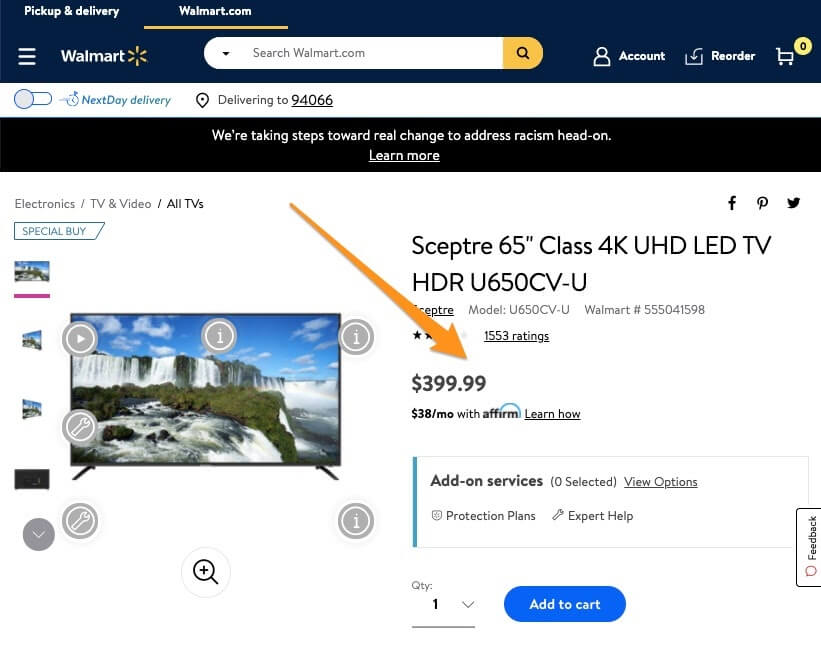
Også kendt som ulige prissætning, er det måske den mest populære prissætningsteknik, du har set en million gange før. Det kræver en lille indsats, så prøv det og se effekten på salget, hvis du ikke allerede har gjort det.
Decoy Pricing
Det er en anden teknik, hvor marketingfolk forsøger at udnytte den menneskelige hjernes kognitive bias.
A commonly held belief among marketers is that when a shopper is choosing between two options, a third asymmetrically dominated option can be used to push them towards choosing a certain option.
In theory, the decoy option here drives customers to buy the more expensive one of the two original options. Research suggests that although there is an attraction effect driven by the decoy option, it’s less robust than widely believed.
Price anchoring
Anchoring is another cognitive bias that inspired marketers. The idea behind anchoring is that the human brain makes judgments based on the first information they encounter.
Making use of this tendency, sellers display a higher initial price simultaneously with the original price, anticipating that this initial piece of information will impact how shoppers perceive the actual price.
The use of price anchoring is so common that most of you already apply it without really knowing why.
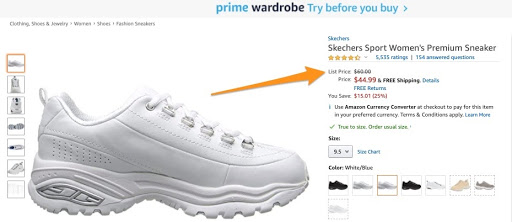
Some stores show customers artificially high anchor prices to make the current offer seem much more attractive than it really is. The problem is, most online shoppers search for a good price before making a purchase, so they can easily notice that the anchor price is artificially high. It will lead to mistrust among consumers and negatively affect your relationship.
Tactics to display price information
Have you ever considered the impact of the display of your prices? Marketers have been experimenting with tactics regarding the display of price information, and some have proven successful.
Showing price in small fonts
Research suggests that displaying prices in small fonts can make your price seem smaller.
Showing price without the coma
Research on consumer behavior suggests that removing the coma from the price can make it seem smaller.
Showing price in a distinctive form
Displaying price in a distinctive form—in a form that’ll allow shoppers to easily distinguish it from other information—is another way to drive sales.
Sorting prices in descending order
Research on the influence of price presentation order on buying behavior suggests that presenting prices in descending order—showing the more expensive products first—can increase consumers’ willingness to pay.
But note that some people might want to see the cheapest, most popular, or the most relevant results first, depending on their browsing purpose. Offer them several sorting options and let them decide.
Discount tactics
The type of your discounts and when and how frequently you apply them have an impact on how consumers perceive the fairness of your prices. Don’t forget to update users when there is a drop in the price of the products.
Offering multiple discounts
Instead of offering high percentage discounts, divide the discounts into several campaigns. It’s a good way to capture the attention of bargain hunters.
Emphasizing the seasonality of discounts
Promotions and discounts drive sales, but if you use them frequently, they underlie the value of your products/services.
Price has two reciprocal roles in our minds. The positive one is associated with the quality of the product/service, while the negative one is the sacrifice we make in exchange for a product/service.
When you discount too much—especially if people see discounts more than they see the original price on your website—they’ll subconsciously disregard the value of your products and even be reluctant to pay the full price when there is no discount.
Final Words
Understanding consumer behavior is crucial for e-commerce owners. Learning how they behave in the face of new information is the key to making better pricing decisions. Since most of the consumers are price-sensitive, send alerts for price change.
Luckily, consumer behavior literature provides us with new insights each day, debunks the common misconceptions held by marketers, and gives us the techniques worth our time and effort.
Try these tactics and see if they work for your store, let us know your findings!


